The Evolution of Casino Architecture: From Vegas to Macau
Casino architecture has seen a dramatic transformation over the decades, evolving from modest gambling halls into the opulent resorts that shape the cityscapes of places like Las Vegas and Macau. This transformation is deeply intertwined with shifts in cultural values, technological progress, and the globalization of the casino industry.
Initially, casino architecture in Europe featured small, often discreet venues. The real transformation began in Las Vegas in the early 20th century. Early casinos in Las Vegas were simple—often just saloons or small hotel rooms with a few gambling tables. As Las Vegas grew, so did the aspirations of its casino developers.
.png)
During the 1940s and 1950s, Las Vegas witnessed the emergence of the first themed casinos, designed to offer a unique and immersive experience that extended beyond mere gambling. The El Rancho Vegas, for instance, adopted a western theme complete with horseback riding and a ranch-style layout. This trend continued with more elaborate themes, as seen in casinos like the Sands and the Tropicana, which featured exotic themes and lavish entertainment.
The 1960s and 1970s ushered in the era of the iconic mega-resorts. The Mirage, which opened in 1989, exemplified this trend with its elaborate tropical theme and nightly erupting volcano. This period marked a shift towards creating fantastical environments where guests could escape from reality. The focus was on opulence, with casinos incorporating grandiose elements like fountains, grand halls, and replicas of famous landmarks.
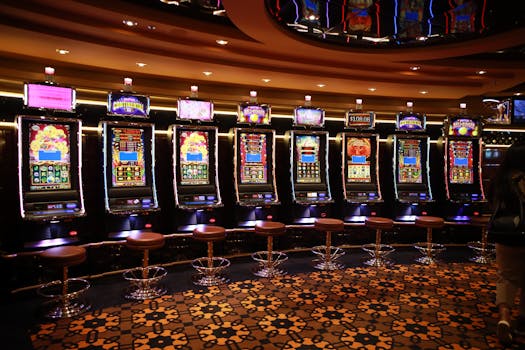
Casino design also began to integrate cutting-edge technology during this time. Video slots and electronic games became standard, transforming both the gaming experience and the architectural design to accommodate these new technologies and create a vibrant atmosphere that encouraged gambling.
As the casino industry expanded globally, Macau emerged as a key player. Influenced by its Portuguese heritage, Macau's casino architecture represents a fusion of Eastern and Western design elements. Casinos like The Venetian Macao, which opened in 2007 and is the largest casino in the world, reflect a sophisticated and luxurious approach, combining hotel, shopping, and entertainment facilities into an expansive complex.
Contemporary casino architecture is marked by innovation and extravagance. Architects and designers are pushing the limits to create not only functional but also striking architectural masterpieces. The incorporation of state-of-the-art materials, technology, and environmentally sustainable practices is increasingly prevalent.
Looking ahead, casino architecture is likely to continue evolving towards more integrated entertainment experiences. Casinos are becoming elements of larger resort complexes that include hotels, restaurants, shopping centers, and entertainment venues. This holistic approach not only attracts a wider audience, including families and non-gamblers but also enhances the guest experience.
In summary, the evolution of casino architecture from Las Vegas to Macau has been characterized by increasing sophistication and a trend towards creating multipurpose entertainment complexes. As the industry progresses, we can anticipate further innovations that merge luxury, technology, and sustainability—reflecting the changing preferences of casino-goers and the dynamic nature of the global entertainment industry.