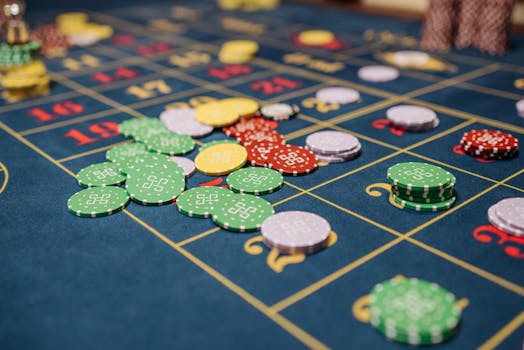
Casino games are a fascinating blend of chance, skill, and psychological intrigue. Whether it’s the ringing bells of slot machines or the suspenseful atmosphere of the blackjack table, these games are designed to captivate and entertain. But what exactly makes them so compelling? This article explores the psychology behind casino games, providing insights into their design and the effects they have on players.
Understanding the Appeal
The main appeal of casino games lies in their ability to stir hope and excitement among players. This is achieved through a combination of random outcomes and the thrill of potential rewards. Games like slots, roulette, and blackjack entice players with the possibility that they can outsmart the system or influence an outcome, tapping into powerful psychological triggers.
.png)
Key Psychological Triggers in Casino Games
Casino games are masterfully engineered to leverage several psychological principles:
- Random Ratio Reinforcement Schedule: This is a method where rewards are given out at unpredictable intervals. It's the same principle used in behavioral experiments where animals are given treats randomly to encourage repetitive actions. In casinos, this schedule makes it difficult for players to predict when they will win, which can lead to higher engagement and prolonged play.
- Illusion of Control: Many games encourage players to believe that they have control over outcomes that are actually determined by chance. For instance, choosing numbers in roulette or the roll of dice in craps can make players feel in control, enhancing their engagement and willingness to continue playing.
Advantages and Disadvantages of Psychological Elements
While the psychological aspects of casino games can increase their allure and make gameplay more engaging, they also have downsides:
- Pros: These elements can make games more thrilling and enjoyable, providing a mental challenge that many players seek.
- Cons: On the flip side, these psychological triggers can lead to problem gambling. Players might not realize how much they are influenced by these mechanisms, leading to excessive gambling behaviors.
Practical Examples
- Slot Machines: Modern slot machines employ lights and sounds that celebrate wins, no matter how small. This sensory feedback triggers the release of dopamine, a neurotransmitter linked to pleasure and reward, which can encourage players to continue gambling.
- Near-Miss Effect: Many games are designed to frequently show near-wins (e.g., two cherries on a slot machine, just shy of the third needed for a payout), which can make players feel they are close to winning, prompting them to try just one more time.
Conclusion
The psychology behind casino games is intricate and designed to maximize engagement and excitement. By understanding these psychological elements, players can enjoy casino games more responsibly, making informed choices about when to play and when to stop. Responsible gaming practices are essential in ensuring that gambling remains a source of entertainment without negatively impacting financial stability or well-being. Recognizing the psychological tactics at play is a crucial step towards achieving this balance.