The allure of casino games often lies in their unpredictability and the thrill of chance. However, beneath the surface of play, a rigorous science shapes every dice throw, card deal, and slot machine spin. This deep dive into the science behind casino games reveals how mathematics, psychology, and technology converge to create engaging and profitable game designs.
Introduction to Casino Game Science
Casinos are a bustling industry where entertainment meets strategy, and while luck plays a significant role, the outcomes are not solely dependent on chance. The foundation of casino games is heavily grounded in scientific principles, particularly in mathematics and psychology. These games are crafted to provide predictable long-term profits to the house while offering players opportunities to win substantial short-term payouts.
.png)
Mathematical Foundations of Casino Games
The mathematics of casino games ensures operational success through the house edge—an embedded advantage that guarantees the casino a profit over time. This edge varies across different games and is a critical factor in game design.
Probability and Odds
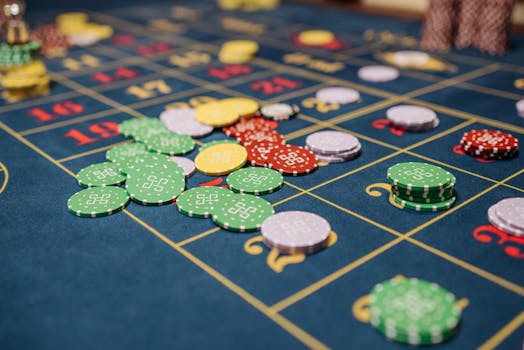
At the core of casino games is probability theory. Whether it’s the roulette wheel or the slot machine, each game uses probabilities to determine the odds of various outcomes. For example, in roulette, the probability of hitting a specific number is 1 in 37 (on a European wheel), which is crucial for setting the game's payouts and odds.
The Role of Psychology in Casino Games
Casino games are also designed to maximize player engagement through psychological triggers. The sights and sounds of a casino—from flashing lights to the clinking of coins—are meticulously planned to stimulate excitement and encourage continuous play. Additionally, psychological phenomena like the gambler's fallacy, where players believe past events affect future outcomes, and the thrill of near-misses, play significant roles in player behavior and game preference.
Advantages and Disadvantages of Different Approaches
Each game offers a balance of advantages and disadvantages influenced by its mathematical structure and psychological appeal. For instance:
- Blackjack: Requires strategic thought and has a low house edge, making it appealing to players who enjoy control and decision-making.
- Slots: Offer simplicity and have high house edges, appealing to those looking for straightforward, fast-paced play without the need to strategize.
Practical Examples
Blackjack: By employing basic strategy, players can minimize the house edge and improve their winning chances. This strategy involves making decisions based on probability and game theory, providing a more analytical approach to the game.
Slots: Operate on random number generators (RNGs). Each spin is an independent event, offering unpredictable outcomes and straightforward gameplay without the opportunity for strategic play.
Conclusion and Recommendations
The science that underpins casino games is intricate, blending mathematical precision with psychological intricacies to create engaging and profitable entertainment. Players looking to enhance their gaming experience and increase their odds of winning might prefer games that require more skill and strategy, such as blackjack or poker. Conversely, those seeking entertainment without complexity might find slots appealing.
For those keen on delving deeper into the mathematics and psychology of these games, academic journals and books on probability, statistics, and gaming psychology can be invaluable resources. By understanding the science behind casino games, players can make informed choices, develop strategies, and derive greater enjoyment from their gaming experience.