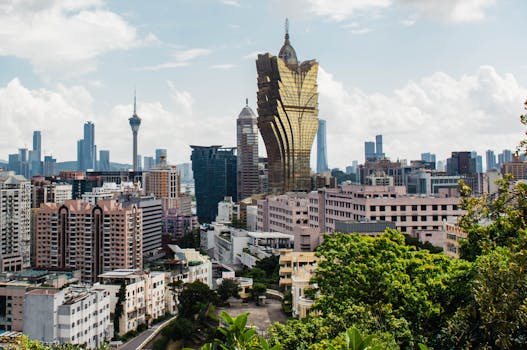
The Social Impact of Casino Industry in Local Communities
Casinos have long been a subject of debate in cities and towns worldwide. As the glittering lights and promise of entertainment draw visitors, the social and economic effects ripple through local communities in ways both positive and negative. From job creation to changes in crime rates and local culture, the casino industry’s footprint is large and multifaceted. Understanding the social impact of casinos is essential for policymakers, business owners, residents, and anyone interested in the dynamic relationship between gaming establishments and the neighborhoods they call home.
The Economic Engine: Jobs and Local Development
The casino industry is a major economic catalyst in many regions. According to the American Gaming Association, commercial casinos in the United States employed over 332,000 people in 2022. These jobs cover a vast range of roles, from hospitality and security to management and entertainment. Wages and benefits paid out by U.S. casinos exceeded $18 billion in the same year, providing a significant boost to local economies.
Beyond direct employment, casinos often stimulate ancillary businesses. Restaurants, hotels, retail outlets, and entertainment venues cluster around casino hubs, creating additional employment opportunities. In Atlantic City, for example, the presence of casinos has led to a robust hospitality sector that supports thousands of jobs beyond the gaming floor.
.png)
Local governments also benefit through increased tax revenues. In 2022, commercial casinos contributed approximately $13.5 billion in taxes to federal, state, and local governments. These funds are frequently earmarked for public services such as education, infrastructure, and community development projects.
Community Transformation: Urban Renewal and Infrastructure
Casinos are often positioned as engines of urban renewal, especially in areas struggling with economic decline. When a casino opens, it can trigger a wave of investment in infrastructure—roads, public transportation, and utilities are upgraded to accommodate increased traffic and visitors.
A notable example is Detroit, Michigan. When three commercial casinos opened in the early 2000s, the city saw significant investment in downtown infrastructure and a revitalized hospitality sector. The casinos helped attract millions of visitors annually, supporting local businesses and encouraging further redevelopment.
However, the impact isn’t universally positive. Some communities have reported uneven development, where the immediate area around a casino flourishes while outlying neighborhoods see little benefit. Effective urban planning and equitable distribution of resources are key to ensuring that the positive impacts of casino-driven development extend beyond the casino’s borders.
Social Costs: Crime, Addiction, and Family Dynamics
While casinos can bring economic prosperity, they can also introduce social challenges. One of the most frequently cited concerns is an increase in crime. Studies are mixed: the National Bureau of Economic Research found that counties with casinos experienced an average increase in crime rates by about 8% in the years following casino openings. However, other research suggests that improved security and surveillance in casino areas can offset some of these risks.
Problem gambling is another significant concern. The National Council on Problem Gambling estimates that 2-3% of the U.S. population may have a gambling problem, with rates higher in areas near casinos. Gambling addiction can lead to financial hardship, strained family relationships, and even increased rates of domestic violence and bankruptcy. In 2020, about 23,000 calls for help were made to the National Problem Gambling Helpline, highlighting the scale of the issue.
Casinos may also impact family dynamics and social cohesion. Communities sometimes report a decline in volunteerism and civic engagement as disposable income and time are redirected toward gambling activities. The challenge for communities is to balance the benefits of casino development with effective support systems for those at risk.
Cultural Shifts: Entertainment, Tourism, and Local Identity
Casinos are more than just gambling venues; they’re often entertainment complexes that host concerts, shows, conventions, and sports events. This diversification has made many casinos cultural centers that attract tourists and locals alike. Las Vegas is a prime example, where over 42 million tourists visited in 2019, drawn to a mix of gaming and non-gaming attractions.
In smaller communities, casinos can reshape local identity. They may become focal points for nightlife and leisure, altering the traditional social landscape. For some, this brings renewed vibrancy and opportunities for cultural exchange. For others, it can mean the erosion of local traditions and the overshadowing of existing businesses.
The challenge lies in integrating casino-driven tourism with the unique character of a community. Successful examples include integrating local art, cuisine, and history into casino experiences, ensuring that new attractions complement rather than replace local culture.
Comparing Social Impacts: A Data Overview
To better understand the varied effects of casinos in local communities, consider the following comparative data from three U.S. cities with established casino industries:
| City | Casino Jobs Created | Change in Local Tax Revenue (Year 1-5) | Reported Increase in Crime Rate (%) | Problem Gambling Helpline Calls (Annual Avg.) |
|---|---|---|---|---|
| Las Vegas, NV | 190,000+ | +20% | +12% | 3,800 |
| Atlantic City, NJ | 29,000 | +14% | +8% | 1,400 |
| Detroit, MI | 7,700 | +11% | +9% | 900 |
These figures highlight the complexity of the social impact equation: while economic benefits are clear, increases in crime and calls for problem gambling support are also evident. Policymakers must weigh these factors carefully when considering casino developments.
Regulation, Mitigation, and Community Involvement
To address the social costs associated with casinos, robust regulation and community involvement are essential. Regulatory frameworks often include requirements for responsible gambling programs, self-exclusion options, and funding for addiction treatment.
Many casino operators now partner with local organizations to provide education and support services. For example, some casinos dedicate a portion of their revenue to fund mental health services, financial counseling, and community outreach. In Massachusetts, the state’s Expanded Gaming Act requires casinos to contribute to a Public Health Trust Fund, which supports research and prevention programs related to problem gambling.
Community input can also shape how casinos operate and integrate into local life. Town hall meetings, advisory committees, and regular communication between casino management and local stakeholders help ensure that community interests are represented and protected.
Conclusion: Balancing Opportunity with Responsibility
The social impact of the casino industry in local communities is both profound and nuanced. While casinos can drive economic growth, create jobs, and revitalize urban areas, they also bring challenges such as crime, addiction, and cultural shifts. The key to maximizing positive outcomes lies in thoughtful planning, robust regulation, and ongoing dialogue between casino operators, local governments, and residents.
Ultimately, communities that approach casino development with a clear-eyed understanding of both benefits and risks are best positioned to harness the opportunities while minimizing potential harms. By fostering collaboration and investing in support systems, it’s possible to strike a balance where the casino industry becomes a responsible and beneficial part of local life.