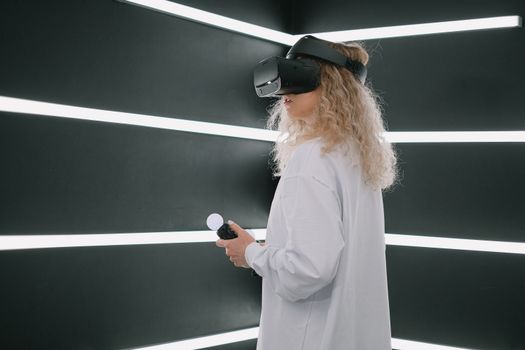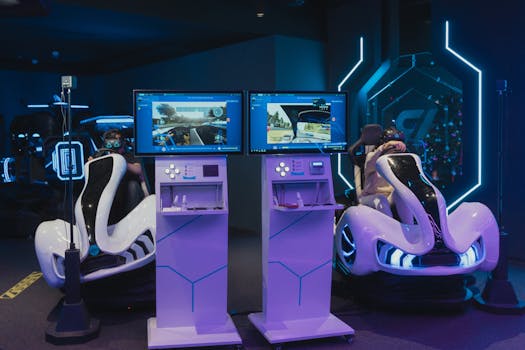
Virtual reality (VR) is transforming industries at a breakneck pace, and casino gaming is no exception. No longer limited to traditional brick-and-mortar spaces or 2D online platforms, casino enthusiasts are stepping into immersive 3D worlds, where the line between the digital and the physical blurs like never before. The future of casino gaming isn’t just about bigger jackpots or more sophisticated slot machines—it’s about creating entire virtual environments where players experience the thrill, social interaction, and excitement of real casinos from anywhere in the world.
What does this new era of VR casinos mean for players, operators, and the broader gaming industry? Let’s explore the innovations, opportunities, and challenges shaping the future of virtual reality casinos.
The Evolution of Casino Gaming: From Tables to Virtual Worlds
Casino gaming has a storied history, evolving from opulent gambling halls of the 17th century to the glitzy Las Vegas strips and, more recently, to online and mobile platforms. The global online gambling market, valued at $63.53 billion in 2022, is projected to reach $153.57 billion by 2030, according to Grand View Research. This explosive growth is fueled by technological advancements, changing regulations, and shifting consumer preferences.
.png)
Enter virtual reality—a technology allowing users to enter simulated environments that feel remarkably lifelike. In 2016, the world saw the release of first-generation consumer VR headsets like Oculus Rift and HTC Vive. By 2023, over 171 million people worldwide were using VR, with gaming being the top application. Leading casino operators and software developers are now racing to harness VR’s potential, aiming to offer experiences that replicate—and even enhance—the energy and excitement of real-world casinos.
How Virtual Reality Casinos Work: A Player’s Perspective
VR casinos go far beyond traditional online gaming. Equipped with a VR headset and controllers, players enter a fully rendered 3D casino environment. Here’s what a typical VR casino experience offers:
- $1 Walk through grand lobbies, sit at gaming tables, and interact with detailed slot machines. - $1 Use avatars to chat, gesture, and even play with friends or strangers at the same table. - $1 Some VR casinos feature live dealers, blending real-time video with virtual environments for games like blackjack or roulette. - $1 Players can personalize their avatars, choose outfits, and even design private gaming spaces.Unlike traditional online platforms—where the experience is limited to clicking and watching on screens—VR casinos create a sense of presence. Studies show that VR users report a 30-40% higher sense of engagement and excitement compared to standard online casino gaming.
Key Advantages of VR Casinos Over Traditional and Online Gaming
The leap from physical or 2D online casinos to VR brings a host of compelling benefits:
1. $1 VR’s 360-degree environments and spatial audio make the experience feel authentic, capturing the buzz of a real casino floor. 2. $1 Players can see and interact with others in real-time, fostering the camaraderie and excitement that many miss in online gaming. 3. $1 VR allows for innovative gameplay, such as picking up chips, tossing dice, or using hand gestures, making games more interactive and intuitive. 4. $1 Anyone with a VR headset and internet connection can access a virtual casino without traveling, removing geographical and mobility barriers. 5. $1 VR casinos can be tailored to individual tastes, from the style of the casino to the look and feel of avatars.To illustrate the differences, here’s a comparison table:
| Feature | Brick-and-Mortar Casinos | Online Casinos | VR Casinos |
|---|---|---|---|
| Physical Presence | Required | Not Required | Not Required |
| Social Interaction | High | Low | High (via Avatars) |
| Immersion | High | Moderate | Very High |
| Game Variety | Moderate | Very High | Growing |
| Accessibility | Limited | Global | Global |
| Customization | Low | Moderate | High |
| Cost to Play | High (travel, lodging) | Low | Low |
Challenges and Limitations Facing Virtual Reality Casinos
Despite their promise, VR casinos face several hurdles before becoming mainstream:
- $1 Quality VR headsets like Meta Quest 3 or Valve Index retail for $400–$1,000, limiting access for casual users. Global VR headset adoption is growing, but still only 1 in 50 adults owned a headset in 2023. - $1 Developing high-quality VR casino games is complex and expensive. As of early 2024, most VR casinos offer a limited range of games compared to thousands available on 2D online platforms. - $1 VR can cause discomfort for some users, especially during long sessions. Studies estimate that 25–40% of new VR users experience motion sickness initially. - $1 VR casinos must comply with gambling regulations and ensure user safety, including age verification and responsible gambling tools. The immersive nature of VR can make it harder to monitor problematic behaviors. - $1 VR casinos need fast internet and powerful PCs or standalone headsets, which may not be available to all users, especially in developing markets.VR Casinos and the Social Experience: Redefining Interaction
One of the most transformative aspects of VR casinos is the reimagining of social interaction. Traditional online casinos often lack the excitement of sharing wins, losses, and banter with fellow players. VR casinos, with their avatar-based systems, restore this vital social element.
In VR casinos, players can:
- Greet and interact with others at gaming tables. - Celebrate wins with gestures or virtual high-fives. - Participate in tournaments or exclusive events. - Host private gaming rooms for friends, replicating the VIP casino experience.According to a 2022 survey by XRDC, over 65% of VR casino users cited social interaction as their favorite feature. This focus on community could make VR casinos particularly appealing to younger audiences, who already socialize and game in virtual worlds like Fortnite or Roblox.
What’s Next? Innovations Shaping the Future of Virtual Reality Casinos
The future of VR casinos is brimming with possibilities. As technology advances and adoption widens, expect to see:
- $1 Advances in graphics and haptics will allow players to feel the texture of cards or chips, and see photorealistic casino settings. - $1 Artificial intelligence will enable more realistic, responsive dealers and non-player characters, enhancing immersion. - $1 Integration with mobile and desktop gaming, so friends without VR headsets can still join the fun. - $1 Secure in-game wallets and instant payouts using cryptocurrencies, increasing transparency and reducing fraud. - $1 Real-time monitoring and customizable limits, ensuring player safety in immersive environments. - $1 Major casino brands (such as MGM or Caesars) may launch virtual replicas of their most iconic properties, attracting new and loyal customers alike.Already, tech giants and gaming companies are investing heavily in the VR casino space. Analysts predict that by 2030, the VR gambling market could exceed $20 billion, with millions of users worldwide.
Final Thoughts on the Future of Casino Gaming with Virtual Reality
Virtual reality casinos are poised to revolutionize the gambling industry, merging the best aspects of physical casinos with the convenience and innovation of digital platforms. While challenges remain—particularly around accessibility, regulation, and content—the trajectory is clear: immersive, interactive casino experiences are set to become a new standard of entertainment.
As VR hardware becomes more affordable and game libraries expand, more players will have the opportunity to step into these electrifying virtual worlds. For operators, embracing VR offers a chance to attract new demographics, foster deeper customer loyalty, and innovate beyond the boundaries of traditional gaming.
Whether you’re a seasoned high-roller, casual gamer, or simply curious about the future of entertainment, the next decade promises a thrilling ride as casino gaming enters the virtual age.