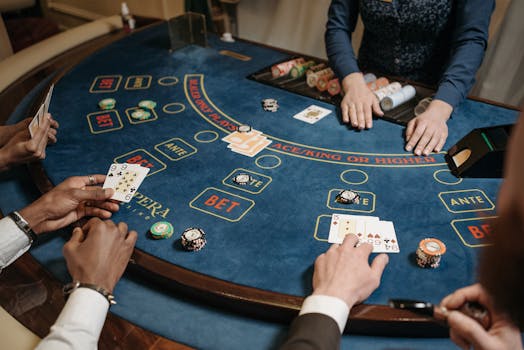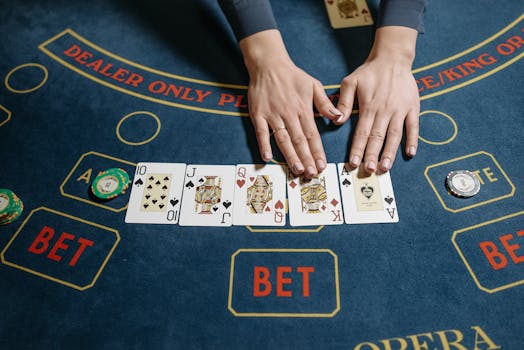
Casinos have long captured the imagination with their glamorous allure and promise of quick fortune. To the uninitiated, they might seem like mere venues for gambling, but they are indeed much more. A casino is a vibrant hub of entertainment, offering a variety of games and activities designed to engage and thrill its visitors. Whether you're an experienced player or a curious first-timer, understanding the workings of casinos can greatly enhance your experience and might even boost your chances of winning.
What is a Casino?
At its core, a casino is a facility where various gambling activities are conducted. These establishments are often equipped with an assortment of games ranging from slot machines to table games like blackjack and roulette. Additionally, many casinos are part of larger resorts featuring hotels, restaurants, and other entertainment facilities, making them popular destinations for both gaming and leisure.
.png)
Historical Overview
The history of casinos dates back to the 17th century. The first recognized European gambling house, not yet called a casino, was the Ridotto, established in Venice, Italy, in 1638 to provide a controlled gambling environment during carnival season. This laid the groundwork for the modern casino environment.
Throughout the 19th century, casinos began to proliferate throughout Europe, with establishments like the Casino de Monte-Carlo in Monaco becoming synonymous with luxury and the elite social scene. In the United States, the evolution of casinos was marked by the legalization of gambling in Nevada in 1931, which led to the development of Las Vegas as a gambling haven.
How Casinos Operate
Casinos are intricate businesses that require careful management and state-of-the-art technology to ensure smooth operations. The primary source of revenue in a casino is the games offered, all of which have a built-in advantage for the establishment, known as the "house edge." This edge ensures that the casino will profit over the long term, though players can certainly win in the short term.
Popular Casino Games
- Slot Machines: These are perhaps the most straightforward and popular games in casinos. Players win by matching symbols on spinning reels, with various combinations yielding different payouts.
- Blackjack: Known for its favorable odds for players, blackjack is a card game where the goal is to beat the dealer's hand without exceeding 21.
- Roulette: This game involves betting on where a ball will land on a rotating wheel. It offers a variety of bets and outcomes, adding to its excitement.
- Poker: Unique among casino games, poker is played against other players rather than the house. It combines strategy, psychology, and skill, making it a favorite among those who prefer a more controlled gambling experience.
The Role of Technology
Modern casinos leverage advanced technology to ensure operational efficiency and security. From high-tech surveillance systems that monitor all activity to digital slots and automated table games, technology enhances the security and appeal of the casino experience. Furthermore, the advent of online casinos has expanded the reach of traditional gambling, allowing players to engage from anywhere with an internet connection.
Responsible Gambling
It's important to approach gambling as a form of entertainment, not a revenue stream. Responsible gambling practices are promoted by casinos to help patrons manage their playing habits. Setting limits on time and money spent in a casino is a prudent way to enjoy gambling without risking financial and social consequences.
Conclusion
Casinos offer much more than just gambling. They are comprehensive entertainment complexes that provide a variety of gaming and leisure activities. By understanding how casinos operate and acknowledging the importance of responsible gambling, visitors can ensure that their experience is both enjoyable and safe. Whether it’s the thrill of chasing a jackpot on a slot machine or engaging in a strategic game of poker, casinos offer diverse experiences to cater to all tastes and preferences.