Casinos are more than just gleaming temples of chance and fortune—they are intricate social ecosystems. Every spin of the roulette wheel, every cheer at the craps table, and every conversation at the bar is part of a larger web of human interaction and behavior. Sociologists have long been fascinated by how the unique environment of a casino shapes the way people act, connect, and even perceive themselves. In this article, we dive deep into the social dynamics of a casino from a sociological perspective, uncovering how these gaming spaces reflect, reinforce, and sometimes challenge broader social patterns.
The Casino as a Microcosm of Society
Step into any major casino—from the neon-lit corridors of Las Vegas to the grand halls of Monte Carlo—and you will witness a whirlwind of social activity. Casinos function as microcosms, compact versions of society where class, status, gender, and culture intermingle in complex ways. According to a 2022 study by the University of Nevada, Las Vegas, the average large casino welcomes over 18,000 visitors per day, representing a mosaic of backgrounds and motivations.
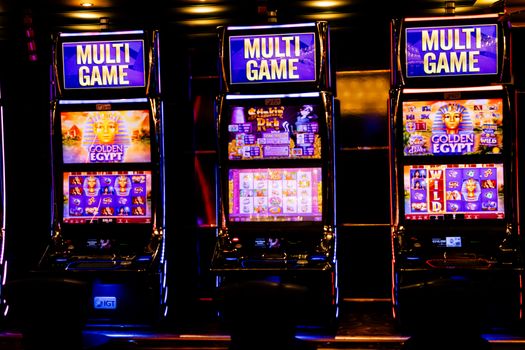
Within this microcosm, hierarchies quickly emerge. High rollers (often called “whales”) command special attention, receiving exclusive access and personalized service, while everyday gamblers mingle at crowded slot machines. Employees—from dealers to pit bosses—navigate a strict chain of command, guided by protocols that keep the gaming floor running smoothly. Even among guests, unwritten rules and norms influence behavior: seasoned players may signal in-group knowledge, while newcomers learn etiquette by observation or gentle correction.
.png)
In many ways, the casino reflects broader social structures, including issues of class distinction, authority, and group identity. For example, sociologist Erving Goffman famously described the casino as a “total institution,” a setting with its own rules, roles, and rituals, somewhat isolated from the outside world.
Rituals, Roles, and the Performance of Luck
Casinos are rich with ritual. The way chips are stacked, the precise gestures of a dealer, the cheers and groans at a blackjack table—these are not just random actions, but performances laden with meaning. Sociologists refer to this as “dramaturgy,” where participants play roles and follow scripts much like actors on a stage.
Consider the role of the dealer. While ostensibly a neutral facilitator, the dealer often becomes a focal point for the table’s emotions—receiving praise for wins, enduring blame for losses, and subtly managing the group’s mood. Gamblers themselves may adopt personas: the stoic strategist, the superstitious novice, the exuberant risk-taker. Rituals abound, from blowing on dice to tapping the table for luck.
Research published in the Journal of Gambling Studies found that over 70% of casino-goers believe in rituals or lucky charms, highlighting how the casino becomes a space where luck is not just hoped for, but actively performed. These social performances help create a sense of community and shared experience, even among strangers.
Social Interaction and Group Dynamics at the Gaming Tables
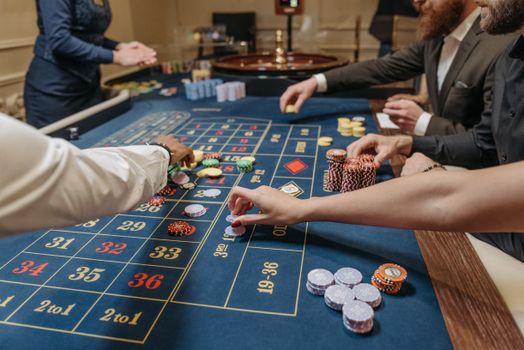
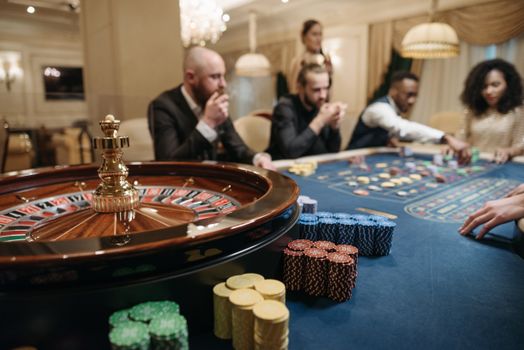
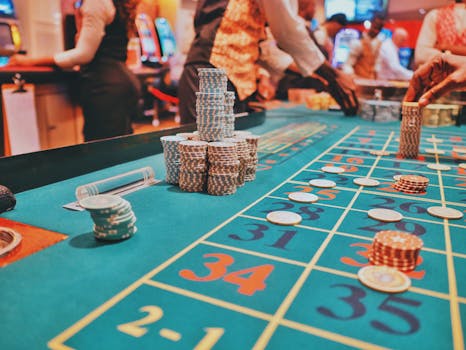
Unlike solitary forms of gambling (like online slots), casinos foster direct, face-to-face interactions. Table games such as poker, roulette, and craps are especially social, bringing together small groups in intense, high-stakes exchanges. Here, group dynamics come to the fore.
A study by the National Council on Problem Gambling found that 62% of casino visitors prefer table games over solitary machines, in part because of the social atmosphere. At the poker table, players read each other’s body language, develop alliances, and sometimes engage in “table talk” to influence outcomes. In craps, the entire table may rally behind a “hot shooter,” with strangers high-fiving after a big win.
Casinos also encourage social interaction through their layout and amenities. Bars, lounges, and entertainment venues are strategically placed to foster mingling, conversation, and even flirtation. The result is a sense of community—albeit a temporary one—that can make the casino experience feel both competitive and collaborative.
Gender, Power, and Identity in Casino Spaces
Casinos have historically been male-dominated spaces, but that is changing. Today, women make up approximately 45% of casino patrons in North America, according to 2023 data from the American Gaming Association. However, gender dynamics remain pronounced, with certain games and areas still associated with masculine or feminine roles.
For instance, poker rooms are often male-heavy, while slot machine areas skew slightly female. This can influence both the behavior and self-perception of players. Female gamblers may face subtle (or overt) challenges to their legitimacy, leading some to adopt assertive personas or seek out women-only tournaments. Meanwhile, the image of the “high roller” remains largely male in popular culture, though women are increasingly claiming these spaces.
Power dynamics are also evident in the relationships between guests and staff. Dealers, cocktail servers, and hosts often navigate complex expectations around appearance, demeanor, and service, shaped by both gender and status. Sociological research indicates that these dynamics are not static—they evolve as casinos become more inclusive and diverse.
Economic Status and Social Stratification: Who Gets What in a Casino
One of the most visible aspects of casino social life is the stratification of guests by economic status. Casinos use a range of tactics to identify, reward, and retain their most lucrative customers. VIP programs, high-limit rooms, private events, and complimentary perks (“comps”) are all part of a system that reinforces class distinctions within the gaming floor.
Below is a comparison table outlining how different guest tiers experience the casino:
| Guest Tier | Typical Spend (per visit) | Access & Perks | Common Experiences |
|---|---|---|---|
| Casual Gambler | $50-$200 | General gaming floor, basic drink service | Crowded tables, limited comps, standard service |
| Frequent Player | $500-$2,000 | Player’s club points, occasional meal/free play offers | Access to promotions, more personal service |
| High Roller (Whale) | $10,000+ | Private gaming rooms, luxury suites, dedicated hosts | Exclusive events, top-tier comps, personalized attention |
This stratification is not just about money—it shapes social interactions, access to resources, and even self-identity within the casino. High rollers may develop close relationships with staff and other VIPs, forming a distinct “in-group” with its own norms and privileges.
Deviance, Control, and the Social Order of the Casino
Casinos, like any public space, must maintain order and manage deviant behavior. Security is omnipresent, with cameras (known as the “eye in the sky”) monitoring every move. The 2021 Global Gaming Survey reported that major casinos employ an average of 300 security personnel, ranging from floor staff to surveillance experts.
Rules are clearly posted and strictly enforced. Cheating, disorderly conduct, and problem gambling are dealt with swiftly—often before they become public incidents. This high level of control is essential, both to protect the financial integrity of the games and to maintain a welcoming environment for all guests.
Yet, the boundary between acceptable and unacceptable behavior is not always clear. Some forms of “bending the rules”—such as counting cards—are frowned upon but not illegal. Social norms also play a role: rowdiness may be tolerated in certain areas (like the sportsbook during a big game) but not others. The casino thus becomes a fascinating laboratory for studying how rules are negotiated, enforced, and sometimes subverted.
Social Meaning and the Casino Experience: More Than Just Games
For many, the casino is not simply a place to gamble, but a space for socializing, celebrating, and even self-reinvention. Birthdays, bachelor parties, business deals, and reunions all find a home on the casino floor. The atmosphere—part spectacle, part sanctuary—allows visitors to step outside their everyday roles and inhabit new identities, if only for a night.
This transformative potential is one reason why casinos remain enduring symbols in popular culture. Films like “Casino Royale” and “Ocean’s Eleven” depict the casino as a stage for high drama, intrigue, and reinvention. Sociologists argue that these portrayals both reflect and shape the way real-life visitors approach the casino: as a place where the ordinary rules of life are suspended, and new possibilities emerge.
Final Thoughts on the Social Dynamics of Casinos
The casino is a living, breathing social organism. It is a place where luck and skill intersect with status, ritual, and identity. Whether you are a casual visitor or a seasoned high roller, your experience is shaped by a complex web of social dynamics—from the rituals of the gaming table to the subtle hierarchies of status and power.
Understanding these dynamics enriches not just our view of casinos, but of society itself. The casino, in all its glitter and grit, is a mirror—a reflection of our collective hopes, anxieties, and the eternal quest for connection and meaning.