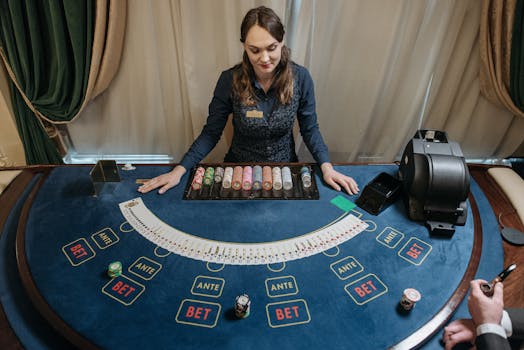
Title: The Art of Dealing: A Look at Casino Professionals
Casinos are not just places of chance and excitement; they are also workplaces for a unique set of professionals known as dealers or croupiers. These individuals are at the heart of the casino experience, ensuring that games run smoothly and that the environment remains vibrant and engaging for guests. Their role is complex and requires a mix of technical skill, psychological acumen, and customer service prowess.
Crafting the Game: The Technical Skills of a Dealer
.png)
Casino dealers must be masters of the games they facilitate. This mastery includes a deep understanding of game rules across a variety of offerings such as blackjack, poker, roulette, baccarat, and craps. The process to become a dealer involves rigorous training where candidates learn not only the rules but also the mechanics of managing a game table.
One of the critical technical skills in a dealer’s repertoire is card handling which involves shuffling, cutting, and dealing cards with precision and speed. Mistakes in this area can lead to disputes or suspicions of foul play, making accuracy paramount. Dealers are also skilled in managing other casino equipment like roulette wheels and betting chips, requiring dexterity and careful handling.
Beyond the Table: Interpersonal and Customer Service Skills
The role of a dealer extends beyond just managing the game. Casinos are entertainment spaces, and dealers contribute to the guest experience by creating a welcoming and enjoyable atmosphere. This requires excellent interpersonal skills, as dealers must interact with a diverse clientele, maintaining professionalism and a friendly demeanor at all times.
Dealers also need to be adept at conflict resolution and handling pressure, as high-stakes games can occasionally lead to tense situations. Emotional intelligence plays a significant role here, as dealers must be able to read the room and manage their own emotions to keep the atmosphere light and enjoyable.
Vigilance and Security: Keeping the Game Fair
A crucial aspect of a dealer’s job is vigilance. Dealers need to maintain a watchful eye over the game to prevent cheating and ensure that all players are adhering to the rules. This aspect of the job requires excellent observational skills and the ability to multitask, as dealers monitor both the players and the game layout simultaneously.
Career Paths and Progression
Starting typically at smaller or less complex tables, dealers can advance to managing high-stakes games or even move into supervisory roles like table managers or casino managers. These career advancements come with greater responsibilities but also offer more significant rewards and recognition.
Working Conditions and Perks
Working in a casino is dynamic and can be demanding, with irregular hours that include nights, weekends, and holidays. The job can also be physically taxing as dealers often stand for extended periods. Despite these challenges, many find the role rewarding due to the lively casino atmosphere and the interaction with a variety of people.
Moreover, dealers often receive tips from players, which can substantially supplement their income, especially in high-end casinos located in regions like Las Vegas or Monaco, where tipping can be quite generous.
Conclusion
Casino dealers are indispensable to the gambling and entertainment industries. Their skill in dealing, combined with their ability to engage with guests and manage the pressures of the casino floor, ensures that the casino experience remains not only fair but also fun. As the industry continues to expand, the role of the casino dealer will remain a cornerstone, vital to maintaining the integrity and enjoyment of casino gaming.