The Influence of Psychology on Casino Players' Decision-Making: How to Avoid Mistakes
Gambling has fascinated humans for centuries, offering a cocktail of risk, excitement, and the tantalizing possibility of reward. But beneath the flashing lights and ringing slot machines lies a powerful force shaping every move a player makes: psychology. Understanding the psychological influences at play can help casino enthusiasts make smarter decisions and avoid costly mistakes. This article delves into how psychology affects casino players’ choices, what common pitfalls arise from these influences, and practical strategies to keep your gaming both fun and responsible.
Understanding the Psychological Drivers in Casino Environments
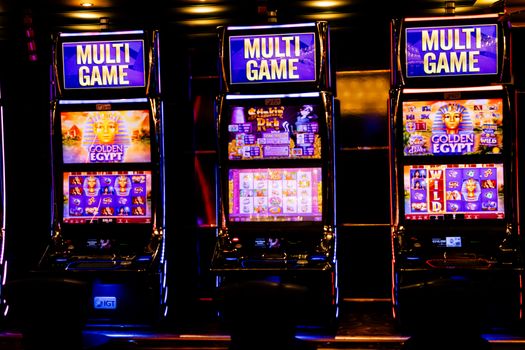
Casinos are meticulously designed to engage our senses and tap into deep-seated psychological triggers. Everything from the layout of the gaming floor to the colors, sounds, and even the scents in the air is crafted to influence behavior and keep players engaged.
One of the most significant psychological factors is the concept of "intermittent reinforcement." Unlike predictable rewards, such as a salary, casino wins are random and unpredictable. This taps into the brain’s dopamine system, encouraging players to continue gambling in hopes that the next spin or hand will be the big one. Studies show that intermittent rewards can be more addictive than regular ones; for example, the American Psychological Association reports that slot machines have a higher addictive potential than many other forms of gaming, with up to 15% of regular slot players developing problematic gambling behaviors.
.png)
Another factor is sensory stimulation. Bright lights, cheerful music, and the constant sound of coins or chips can create a stimulating environment that makes it easy to lose track of time and money. According to a 2022 survey by the National Council on Problem Gambling, 78% of respondents admitted to playing longer than they planned due to the immersive casino atmosphere.
Common Psychological Biases Impacting Casino Players
Even the most rational players are susceptible to cognitive biases—systematic errors in thinking that can lead to poor decisions. Recognizing these can help you make more objective choices at the tables or slots.
The Gambler’s Fallacy is a classic example. This is the mistaken belief that past events affect the likelihood of future outcomes in random games. For instance, after witnessing a roulette wheel land on black five times in a row, a player might irrationally believe red is "due," even though each spin is independent. According to research by the University of Cambridge, over 65% of regular gamblers admitted to acting on the Gambler’s Fallacy at least once in the past year.
Another common bias is the Illusion of Control. Many casino games, like craps or blackjack, give players the sense that they can influence outcomes through skill or rituals, even when chance predominates. This illusion can lead to riskier bets and longer play sessions.
Finally, Loss Aversion can cause players to chase losses in an attempt to break even, rather than sticking to a predetermined budget. This emotional reaction often results in even bigger losses and regret.
How Casinos Use Psychology to Shape Player Decisions
Casinos aren’t just passively benefiting from human psychology—they actively design their environments and games to exploit it. Here are some of the most effective tactics:
- $1 By removing time cues, players are more likely to lose track of how long they’ve been gambling. - $1 Slot machines are programmed to show near wins, which can trigger a rush of excitement almost as powerful as an actual win. A 2019 study in the Journal of Gambling Studies found that near-miss outcomes increased the urge to keep playing by 30%. - $1 Many casinos offer loyalty programs, free drinks, and comps. These rewards reinforce the behavior of continued play, even when losses mount. - $1 Fast, repetitive games like slots and electronic roulette encourage rapid decision-making, reducing the time available for rational thought and self-control.The table below compares psychological techniques used in traditional casinos and online platforms:
| Technique | Land-Based Casinos | Online Casinos |
|---|---|---|
| Environmental Design | No clocks/windows, stimulating lights and music | Colorful UI, sound effects, immersive visuals |
| Reward Systems | Comps, free drinks, on-site bonuses | VIP programs, deposit bonuses, free spins |
| Game Accessibility | Physical proximity of games, easy chip access | One-click betting, autoplay features |
| Pace of Play | Fast-paced table games, slot machines | Instant game loading, turbo modes |
| Social Influence | Crowds, cheering winners, visible jackpots | Live chats, leaderboards, winner pop-ups |
Strategies to Counteract Psychological Pitfalls and Avoid Mistakes
Being aware of psychological influences is the first step. However, turning this awareness into action requires practical strategies. Here are some evidence-based approaches to avoid common gambling mistakes:
Set Strict Limits: Decide in advance how much money and time you’re willing to spend. Stick to these limits, and use casino tools like deposit caps or session reminders. According to the UK Gambling Commission, players who set limits are 40% less likely to chase losses.
Take Regular Breaks: Frequent pauses allow your brain to reset, reducing the impact of sensory overload and emotional decision-making. Try the "50-10 rule": for every 50 minutes of play, take a 10-minute break.
Track Your Play: Keep a written or digital record of your bets, wins, and losses. This helps counteract the tendency to remember wins more vividly than losses—a bias called "selective memory." Studies show that self-monitoring can reduce betting frequency by up to 25%.
Avoid Alcohol and Distractions: Impaired judgment leads to riskier bets and less awareness of spending. Stay hydrated and focused, especially during longer sessions.
Educate Yourself About Odds: Understanding the house edge and probabilities can counteract the illusion of control and the gambler's fallacy. For example, the house edge on American roulette is 5.26%, while blackjack (with optimal play) is as low as 0.5%. Knowing these numbers helps set realistic expectations.
The Role of Emotions in Decision-Making and How to Manage Them
Emotions play a pivotal role in gambling decisions. Excitement, frustration, and even boredom can all lead to impulsive choices. In fact, neuroscientists have identified that emotional arousal can actually override rational thinking, particularly in high-stakes or fast-paced games.
To manage emotions:
- Recognize Triggers: If you notice you’re betting more after a loss, or when you’re feeling bored or upset, pause and reassess. - Practice Mindful Gambling: Stay present and aware of your emotional state. Mindfulness techniques—such as deep breathing or short meditations—have been shown to reduce impulsive betting. - Celebrate Small Wins Responsibly: Enjoy your successes, but don’t let them inflate your confidence or lead to riskier wagers.A 2021 study in the journal Addiction found that players who practiced emotional regulation techniques reduced problematic gambling behaviors by 18% over three months.
Final Thoughts: Building Better Casino Habits Through Psychological Awareness
Psychology exerts a powerful influence over every decision made in a casino, from the games we choose to how long we play and how much we wager. By understanding the underlying mechanisms—cognitive biases, emotional triggers, and environmental cues—players can arm themselves against common mistakes and make choices that are both enjoyable and responsible.
Whether you’re a casual player or a regular visitor, applying psychological insights and practical strategies can help ensure your casino experience remains entertaining rather than regrettable. Remember: the house may have the edge, but you hold the power over your decisions.