Casinos have always been a magnet for excitement, risk, and the hope of sudden fortune. Alongside the thrill of the game, however, a world of myths and superstitions has flourished—many as persistent as the sound of slot machines on a busy casino floor. From lucky charms to beliefs about “hot” and “cold” tables, countless players swear by rituals, routines, and stories handed down for decades. But how much truth is there behind these casino myths? Let’s shine a light on some of the most popular superstitions and misconceptions, separating fact from fiction to help you play smarter and more confidently.
The Psychology Behind Casino Superstitions
Beliefs in luck and rituals are hardly unique to gambling, but casinos are a prime breeding ground for such thinking. Why? Human brains are wired to seek patterns and explanations, especially in settings where outcomes are uncertain and stakes are high.
Research into cognitive psychology shows that humans are susceptible to what’s called the “illusion of control”—the belief that we can influence outcomes that are actually governed by chance. A 2019 study published in the $1 found that up to 60% of regular casino-goers held at least one gambling-related superstition. Whether it’s blowing on dice, wearing a lucky shirt, or always entering through a certain door, these rituals create a sense of involvement and control that soothes anxiety, even if they have zero impact on the actual odds.
.png)
Casinos also contribute to these beliefs by creating environments that reinforce them: flashing lights, celebratory sounds, and the occasional big win can make luck seem tangible and contagious. Understanding the psychological roots of superstitions can help players recognize when they’re relying more on hope than logic.
Common Casino Myths: Truth vs. Fiction
Let’s tackle some of the most widespread myths you’ll encounter on the gaming floor or in online casinos, along with the real facts behind them.
1. “Machines are due for a payout.” This is perhaps the most persistent myth, especially with slot machines. Players often believe a machine that hasn’t paid out in a while is “due” for a win. In reality, slot machines use random number generators (RNGs) to determine every spin’s outcome. There is no memory or schedule—each spin is completely independent, and previous results have no bearing on the next. 2. “Casinos pump oxygen to keep players awake and gambling.” This urban legend has been circulating for decades, but there’s zero evidence to support it. Not only would this be illegal and dangerous, but modern casinos are required to follow strict air quality regulations. The truth is, casinos rely on engaging atmospheres, not chemical enhancements. 3. “Counting cards is illegal.” Counting cards in games like blackjack is not illegal—it's simply a strategy that involves keeping track of which cards have been dealt. However, casinos frown upon it, and if caught, you may be asked to leave. But you won’t be arrested for having a good memory. 4. “Using a lucky charm increases your chances of winning.” While lucky charms may boost your confidence or comfort level, they have no effect on the actual odds of any casino game. All outcomes are determined by mathematics and chance, not by personal talismans.Superstitions Around Casino Games: What Players Believe
Every casino game has its own set of myths and rituals. Here are some of the most common superstitions associated with popular games:
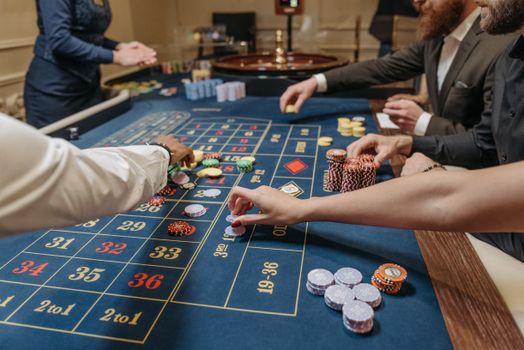
- $1 Some players avoid betting on the number 13, believing it’s unlucky. Others always bet on their birthday numbers or follow so-called “hot” numbers that have won recently. - $1 Blowing on dice before rolling is a classic move, based on the idea that it brings luck. Some players also refuse to let new shooters roll, believing it will break a winning streak. - $1 Many believe it’s bad luck to sit at “third base,” the seat furthest right, as that player’s decisions are thought to determine the table’s fate. Others think that making mistakes, like standing when you should hit, can “ruin” the deck for everyone. - $1 Superstitions abound, from always pulling the lever a certain way to only playing machines at the end of a row. Some players even believe that inserting tickets instead of cash changes their luck.While these beliefs are harmless fun for many, it’s important to remember that casino outcomes rely on random chance and strict rules, not personal rituals.
Debunking the Top 5 Casino Myths: A Comparative Overview
To clarify which beliefs are grounded in reality and which are pure fiction, here’s a table comparing common myths to the facts:
| Myth | Belief | Reality |
|---|---|---|
| Slots are due to pay after a losing streak | Machines "owe" a payout after many losses | Each spin is random; past results don’t affect future outcomes |
| Casinos alter odds during busy hours | Casinos make games harder when crowded | Casino games have fixed odds, regulated by law |
| Card counting is illegal | You can be arrested for counting cards | Not illegal, but casinos can ban you for it |
| Lucky charms influence outcomes | Personal items bring luck | No effect on odds or outcomes |
| Winning streaks are signs of skill or a “hot” table | Keep playing because the table is hot | Streaks are random; house edge remains unchanged |
The Role of Math and Probability in Casino Games
The backbone of every casino game is mathematics—not magic, luck, or ritual. Casinos operate on strict probabilities and the “house edge,” which is the built-in advantage that ensures the casino profits over time.
Consider these facts:
- The house edge varies by game. For example, European roulette has a house edge of 2.7%, while American roulette (with its extra double zero) jumps to 5.26%. - Blackjack, when played with perfect strategy, can offer a house edge as low as 0.5%, but most players lose more due to mistakes or incorrect play. - Slot machines typically have a house edge ranging from 2% to 10%, depending on the machine and jurisdiction.Understanding these numbers is far more valuable than clinging to superstitions. Over millions of games, the house edge ensures that the casino wins, regardless of individual streaks or rituals.
Famous Casino Superstitions Around the World
Superstitions aren’t limited to Western casinos; across the globe, players bring their own cultural beliefs to the gaming floor:
- $1 The number 8 is considered extremely lucky due to its phonetic similarity to the word for wealth. Casinos in Macau often design their layouts and room numbers to feature 8s. Conversely, the number 4 is avoided as it sounds like the word for death in Mandarin and Cantonese. - $1 Many Italian players believe in “la mano fortunata”—the lucky hand. Some will only play after certain rituals, such as touching wood or wearing red clothing. - $1 The tradition of “rabbit’s feet” or lucky coins is common, as is knocking on wood before a big bet.Despite their diversity, these superstitions all share a common thread: the hope that luck can be influenced or attracted by behavior or objects.
How Casinos Respond to Superstitions
Casinos are well aware of the myths and superstitions that surround gambling, and many subtly encourage them to enhance the gaming experience. You’ll find plenty of “lucky” decorations, such as red and gold colors (symbols of prosperity in Chinese culture) or themed slot machines that reference luck and fortune.
However, casinos are also bound by strict regulations to ensure fairness. Modern gaming machines are monitored by government agencies, and software is tested for randomness and compliance with payout regulations. In 2023, the Nevada Gaming Control Board reported that over 2,000 random checks were conducted on slot machines across Las Vegas, ensuring that outcomes remained fair and above board.
In short, while casinos may play up the atmosphere of luck and chance, the outcomes are governed by rules, math, and oversight—not by superstition.
Final Thoughts: Playing Smart in a World of Myths
Casino myths and superstitions are as much a part of the gaming culture as roulette wheels and poker chips. While they add color and excitement to the experience, it’s important for players to remember that luck cannot be controlled, manipulated, or summoned by rituals or charms.
Understanding the realities of casino games—the house edge, the role of random number generators, and the psychological appeal of superstitions—can help you make more informed decisions and enjoy your time at the casino for what it is: entertainment governed by chance.
By debunking these myths, players can focus on strategies that actually work, such as learning the rules, managing their bankroll, and knowing when to walk away. Luck will always play a role, but knowledge is your best bet.