Hollywood’s Glittering Impact: How Movies Shape Casino Culture Worldwide
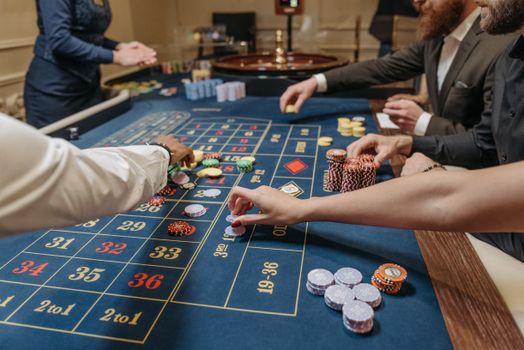
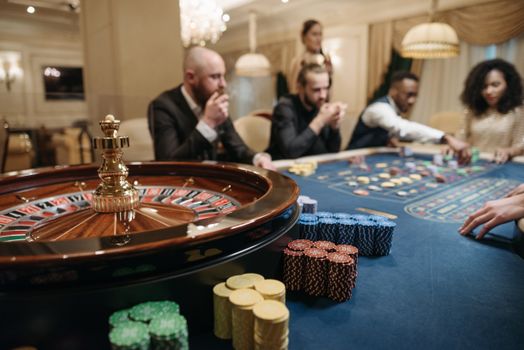
Casinos and Hollywood share a long, glittering history—one that stretches from the neon-lit Las Vegas Strip to the plush carpets of Monte Carlo, and from the golden era of cinema to the streaming blockbusters of today. When we picture a casino, often it’s not a real place that comes to mind, but a cinematic scene: tuxedoed high-rollers at the baccarat table, daring heists, or the tense shuffle of cards in a smoke-filled room. The influence of Hollywood on casino culture is profound, shaping public perception, inspiring casino design, and even influencing the games and experiences players seek. This article explores the deep and ongoing relationship between the silver screen and the casino floor, tracing the ways in which Hollywood has fueled fantasies, set trends, and helped define what casinos mean to people around the world.
Origins: Hollywood and the Birth of the Modern Casino Image
Before the film industry’s portrayal of casinos, gambling houses were often seen as seedy or dangerous. Early 20th-century Hollywood changed this perception by wrapping gambling in glamour and intrigue. Classic films like 1946’s "The Big Sleep" and 1954’s "Casino Royale" (the original TV adaptation) introduced sophisticated casino settings as backdrops for high-stakes drama. These early portrayals set a template: casinos became associated with elegance, risk, and romance.
By the 1960s, blockbusters like the original "Ocean’s 11" (1960) starring the Rat Pack, and James Bond’s frequent casino escapades, cemented the casino as a symbol of high-class entertainment and intrigue. Bond’s baccarat games and roulette spins were as iconic as his Aston Martin, and these scenes made casinos aspirational destinations for viewers across the globe.
.png)
Hollywood’s Role in Shaping Casino Aesthetics and Ambiance
The impact of film is not just cultural but physical. Casino architects and designers often draw inspiration from Hollywood’s glamorous depictions. For example, the modern Las Vegas Strip was heavily influenced by the sleek, dazzling visuals seen in movies like "Diamonds Are Forever" (1971) and "Casino" (1995). These films showcased lavish interiors, dramatic lighting, and the buzz of excitement—elements that real-world casinos have since sought to replicate.
In fact, a 2018 survey by the American Gaming Association found that 42% of casino visitors cited movies and television as influential in their desire to visit a casino. Casino operators know that guests want to step into a movie scene, so many resorts feature themed décor, red-carpet events, and entertainment modeled after Hollywood productions.
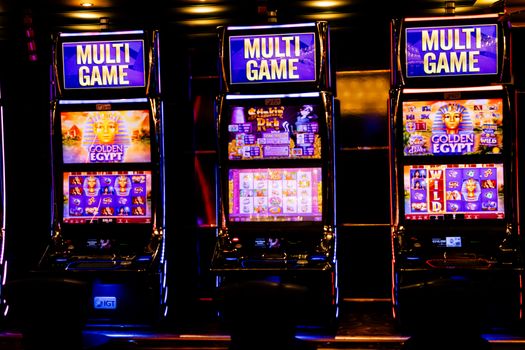
Some casinos even go further, creating entire experiences based on famous films. The Planet Hollywood Resort & Casino in Las Vegas, for example, immerses visitors in film memorabilia and movie-themed suites, blurring the line between cinematic fantasy and reality. Theming extends to slots as well, with titles like "Jurassic Park," "The Godfather," and "The Hangover" gracing casino floors.
Iconic Casino Films and Their Lasting Legacy
Certain films have become synonymous with casino culture, leaving a lasting mark on both pop culture and the gambling industry. Here are a few that stand out:
- "Casino" (1995): Martin Scorsese’s epic about the rise and fall of a Las Vegas casino empire revealed both the allure and the dark side of gambling. The film’s meticulous recreation of 1970s Vegas inspired a wave of nostalgia-themed casinos and a fascination with the city’s history. - "Ocean’s 11" (2001): The remake starring George Clooney and Brad Pitt turned the casino heist into a genre of its own, sparking a slew of similar films and television series. The stylish depiction of teamwork, risk, and reward resonates with casino-goers who dream of hitting it big. - James Bond Series: From "Dr. No" (1962) to "Casino Royale" (2006), Bond’s casino scenes have set the standard for elegance and suspense. The 2006 poker showdown in "Casino Royale" famously boosted global interest in Texas Hold’em, with online poker sites reporting a 25% spike in new players following the film’s release.These films don’t just entertain—they shape the games people play, the way they dress for a night out, and even the way casinos market themselves.
Influence on Player Behavior and Expectations
Hollywood’s portrayal of casinos has a measurable effect on real-world gambling behavior. For example, after the release of "Rain Man" (1988), which featured Tom Cruise and Dustin Hoffman beating the house at blackjack through card counting, casinos reported a noticeable uptick in players attempting card counting strategies. While the actual success rate of such techniques is low—casinos estimate less than 0.01% of players can count cards effectively—the movie sparked widespread interest in blackjack and contributed to a 15% increase in the game’s popularity in the late 1980s.
Movies also influence what players expect from a casino visit. The glamorous, high-stakes atmosphere depicted on screen leads many gamblers to seek out similar experiences. According to a 2021 Statista survey, 36% of millennials said their desire to visit a casino was inspired by movies or TV shows. This extends to dress codes, with some players donning suits or cocktail dresses to emulate their favorite film characters, especially during special events or at high-end establishments.
The impact of Hollywood reaches online casinos as well. Many digital gaming platforms incorporate movie-themed slots and live dealer games, using familiar visuals and narratives to attract players. In 2023, movie-themed slots accounted for over 18% of new slot releases worldwide, reflecting the enduring draw of Hollywood branding.
Comparing Hollywood's Portrayal vs. Real Casino Life
While Hollywood’s vision of casinos is alluring, it doesn’t always match reality. The table below highlights some of the key differences and similarities between on-screen casinos and actual gambling venues.
| Aspect | Hollywood Portrayal | Real Casino Experience |
|---|---|---|
| Dress Code | Formal attire, tuxedos, evening gowns | Casual to business casual; formal wear mostly in high-end venues |
| Game Stakes | High-stakes, dramatic bets | Wide range: from penny slots to high-roller tables |
| Atmosphere | Glamorous, exclusive, dramatic lighting | Lively and bright, but can be noisy and crowded |
| Security | Elaborate heists, easily outsmarted guards | Advanced surveillance, strict protocols, rare major thefts |
| Winning Odds | Heroes often win big | House edge ensures most players lose over time |
| Social Dynamics | Intense rivalries, dramatic confrontations | Friendly competition, mostly anonymous play |
This comparison shows that while Hollywood adds drama and style, real casinos are more accessible, diverse, and regulated than their on-screen counterparts.
The Global Spread of Casino Culture Through Film
Hollywood’s influence is not limited to North America. Casino-themed films are global blockbusters, and their impact can be seen in gambling hotspots around the world. After the release of "Skyfall" (2012), which featured a memorable scene at Macau’s floating casino, tourism to Macau grew by 4.3% the following year, according to the Macau Government Tourism Office.
International casino destinations now actively court film productions, knowing that a high-profile movie can boost both tourism and their status as a glamorous destination. Monte Carlo’s Casino de Monte-Carlo, immortalized in Bond films, has seen a steady influx of visitors seeking to recreate cinematic moments. The trend extends to Asia, where Singapore’s Marina Bay Sands and Macau’s City of Dreams have both served as filming locations and benefited from the global exposure.
Streaming platforms are accelerating this trend, with movies and series about gambling reaching audiences in over 190 countries. This helps normalize casino gaming in markets where gambling was previously less visible, and encourages the adoption of casino-style entertainment in emerging regions.
Hollywood’s Impact on Casino Marketing and Branding
Casinos are quick to harness the power of Hollywood for their own branding. Partnerships with film studios are common, resulting in co-branded slot machines, special events, and celebrity appearances. For example, in 2019, Aristocrat Technologies partnered with MGM to launch a series of branded "The Walking Dead" slot machines, generating significant buzz and revenue.
Red carpet premieres, movie-themed parties, and celebrity poker tournaments are now staple promotional tools. In 2022, the World Series of Poker hosted a "Casino Royale" themed event in Las Vegas, attracting thousands of participants and spectators. These collaborations generate media coverage and attract younger audiences who are more likely to engage with brands linked to their favorite films.
The influence also extends to digital marketing. Online casinos leverage Hollywood imagery and references in their advertising, targeting film fans with themed bonuses and promotions. According to a 2022 report by H2 Gambling Capital, movie-themed promotions increased player acquisition rates by 14% compared to generic campaigns.
Final Thoughts: The Enduring Power of Hollywood on Casino Culture
The relationship between Hollywood and casino culture is a vivid, ever-evolving dance. Movies and TV shows don’t just reflect reality—they shape it, guiding the way people perceive, experience, and even design casinos. From influencing visitor expectations to inspiring casino architecture and marketing, the impact of the silver screen is everywhere.
As the entertainment landscape changes with streaming and new media, the interplay between Hollywood and casinos is likely to deepen. Whether you’re a casual movie fan or a dedicated gambler, it’s clear that the magic of the movies will continue to color every roll of the dice and every spin of the wheel.