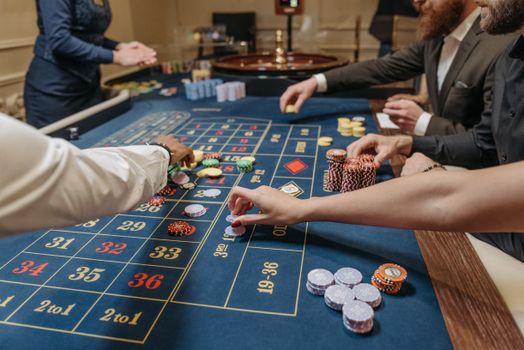
Casinos are often portrayed as glamorous playgrounds of chance, luck, and excitement—a world of bright lights, ringing slot machines, and the thrill of a possible jackpot. Yet behind the façade of entertainment and luxury lies a far more troubling reality for millions around the globe: the shadow of problem gambling and addiction. While for many, gambling is a harmless pastime, for others, the lure of casinos can spiral into a destructive cycle with severe consequences for individuals, families, and communities. This article examines the dark side of casinos, focusing on the realities of problem gambling, the science of addiction, the human and societal costs, and the ongoing battle to address this hidden epidemic.
The Scope of Problem Gambling: Facts and Figures
Most people who visit casinos or gamble online do so responsibly. However, the numbers tell a stark story about how widespread problem gambling has become:
- According to the National Council on Problem Gambling, approximately 2 million adults in the United States (about 1% of the population) meet the criteria for severe gambling problems, with another 4-6 million (2-3%) experiencing mild or moderate gambling issues. - Globally, the World Health Organization estimates that between 0.1% and 5.8% of adults are affected by problem gambling, depending on the country and gambling availability. - In the UK, the Gambling Commission reported in 2022 that about 0.3% of adults are classified as “problem gamblers,” while 2.2% are considered “at risk.”The financial impact is equally significant. The average debt accumulated by a problem gambler ranges from $55,000 to $90,000 in the United States, with some cases exceeding $500,000. Beyond finances, there are also emotional, relational, and health consequences that ripple far beyond the individual gambler.
.png)
The Psychology and Science of Gambling Addiction
Gambling addiction, sometimes referred to as “gambling disorder,” is recognized as a behavioral addiction by the American Psychiatric Association. Unlike substance addictions, it is not caused by a chemical dependency, but the brain’s reward system responds in similar ways.
Casinos are designed to exploit psychological vulnerabilities. Every aspect—from the layout to the lighting, sounds, and even the subtle timing of rewards—is carefully engineered to maximize engagement. The concept of “near-misses” on slot machines, for instance, stimulates the same brain areas as a win, fueling the urge to continue playing.
The addiction is rooted in several psychological and neurological factors:
- $1 Winning (or even anticipating a win) releases dopamine, creating a powerful sense of pleasure and reinforcing the desire to keep gambling. - $1 Slot machines and games of chance use unpredictable rewards, which are more addictive than predictable ones. This is the same principle that underlies social media and video game addiction. - $1 Gamblers often develop faulty beliefs, such as the illusion of control (“If I play long enough, I’ll win back my losses”) and the gambler’s fallacy (“I’m due for a win after a losing streak”).Brain imaging studies show that problem gamblers have altered activity in the prefrontal cortex (which governs impulse control) and the ventral striatum (the brain’s reward center). This physical rewiring makes it extremely difficult for affected individuals to stop gambling, even when the consequences are devastating.
How Casinos Fuel Problem Gambling: Tactics and Triggers
Casinos are not passive backdrops for gambling; they actively shape player behavior. Through decades of research and technological innovation, the industry has perfected a set of tactics that make it harder for vulnerable individuals to walk away:
- $1 Casinos often lack clocks or windows, making it easy for players to lose track of time and play much longer than intended. - $1 Complimentary drinks and “comps” (free rooms, meals, or tickets) lower inhibitions and encourage risk-taking. - $1 Loyalty programs reward frequent play, keeping people coming back. - $1 Slot machines are programmed to show near-wins more often, which keeps players hooked by triggering the brain’s reward system. - $1 Many casinos offer lines of credit or allow players to withdraw cash from ATMs directly on the gaming floor, increasing the risk of chasing losses.Online casinos take this to the next level, using targeted ads, personalized offers, and 24/7 accessibility. In 2021, the online gambling market was valued at $66.7 billion, with rapid growth fueled by mobile apps and digital payment methods.
The Human Cost: Families, Finances, and Mental Health
Problem gambling doesn’t just affect the gambler—it tears at the fabric of families and communities. The consequences are often severe and far-reaching:
- $1 According to studies, up to 23% of problem gamblers declare bankruptcy. The average debt can range from tens of thousands to several hundred thousand dollars. - $1 Divorce rates are significantly higher among problem gamblers. Family members often report feelings of betrayal, anger, and helplessness. - $1 Problem gamblers are at a much higher risk of depression, anxiety, and suicide. It is estimated that one in five pathological gamblers attempts suicide—one of the highest rates among any addictive disorder. - $1 Desperation to cover mounting debts can lead to theft, embezzlement, or fraud. Between 20% and 30% of individuals in treatment for gambling addiction admit to illegal activities to finance their habit.The table below compares some key impacts of problem gambling with those of substance addiction:
| Impact | Problem Gambling | Substance Addiction |
|---|---|---|
| Financial Loss | Average debt $55,000-$90,000; up to $500,000+ | Varies; often significant but less quantifiable |
| Family Breakdown | High divorce rates; family estrangement | High divorce rates; family estrangement |
| Mental Health | 20% attempt suicide; high rates of depression/anxiety | High; varies by substance |
| Legal Issues | 20-30% admit to illegal acts (theft, fraud) | Common, especially for substances with legal restrictions |
These impacts highlight how gambling addiction can be as destructive as substance abuse, even if the underlying mechanisms differ.
Youth and Vulnerable Populations: A Growing Crisis
While casinos and online gambling are often associated with adults, younger and vulnerable populations are increasingly at risk. The rise of online gambling platforms, sports betting apps, and even social casino games blur the lines between gaming and gambling, exposing teenagers and young adults to addictive behaviors at an early age.
- In the United States, between 60% and 80% of high school students report having gambled for money in the past year. - A 2020 study in Canada found that 4% of adolescents met the criteria for problem gambling, with another 10% at risk. - Vulnerable groups include those with existing mental health conditions, lower socioeconomic status, or a family history of addiction.The normalization of gambling in video games, such as loot boxes and in-game betting, adds another layer of risk for young people not legally allowed in casinos. Research shows that early exposure increases the likelihood of developing gambling problems later in life.
Treatment, Prevention, and Hope for Recovery
Despite the bleak statistics, recovery from problem gambling is possible with the right support and intervention. Treatment options include:
- $1 The most effective approach, helping individuals recognize and change harmful patterns of thinking and behavior. - $1 Organizations like Gamblers Anonymous offer peer support and accountability. - $1 In some cases, medications used for depression or impulse control can help. - $1 Many problem gamblers benefit from debt management and financial education.Prevention efforts focus on education, early intervention, and responsible gambling policies. Many jurisdictions now require casinos to provide information on problem gambling, self-exclusion programs, and limits on betting. Online platforms are increasingly using AI to detect risky behavior and prompt users to take breaks or seek help.
However, challenges remain. Stigma, denial, and lack of awareness prevent many from seeking help. According to the National Council on Problem Gambling, fewer than 10% of problem gamblers seek treatment.
Facing the Dark Side: A Call for Awareness and Action
Casinos and gambling are deeply embedded in modern culture, offering excitement and, for some, the hope of a life-changing win. But for millions, the line between entertainment and addiction is thin, and the consequences are anything but glamorous. As the gambling industry continues to grow—especially in its digital forms—the need for awareness, regulation, and compassionate support has never been greater.
Communities, policymakers, and individuals must work together to address problem gambling not as a matter of personal failure, but as a public health issue deserving understanding, empathy, and action. Only then can we truly balance the thrill of the game with the protection of those most at risk.