Music is an inseparable part of the casino experience, weaving an auditory tapestry that subtly shapes player emotions, decisions, and memories. From the lively jingles of slot machines to the sophisticated background melodies in luxury gaming halls, music is everywhere in the world’s casinos. But its role is far more significant than mere entertainment. Music affects our mood, influences our spending, and even determines how long we stay at the tables. This article delves deep into the role of music in enhancing casino experiences, uncovering the psychological mechanisms, strategic choices, and evolving trends that make sound such a powerful tool in the gaming industry.
The Psychology of Music in Casinos
Understanding how music impacts behavior is crucial to grasping its role in casinos. Research shows that music has a profound effect on human psychology, influencing emotions, cognitive functions, and decision-making processes. A 2016 study published in the Journal of Behavioral Addictions found that 78% of participants experienced heightened excitement and engagement while gambling when music was present, compared to a silent environment.
Casinos use this to their advantage, selecting playlists and soundscapes that foster feelings of comfort, excitement, or relaxation. Upbeat tempos can energize players, encouraging them to place bets and try new games. Slower, soothing tunes can create a sense of timelessness, subtly causing guests to lose track of time and stay longer.
.png)
Moreover, the tempo and volume of music can directly influence gambling behavior. For example, a study from the University of Alberta found that fast-tempo music increased the speed of roulette betting by 22% compared to slow music. This illustrates how carefully curated soundtracks are not accidental but are designed to subtly guide player actions.
Types of Music Used in Casino Environments
Not all casino music is created equal. The selection often depends on the casino’s brand identity, target demographic, and even the time of day. Here are some common types of music you might hear in different casino settings:
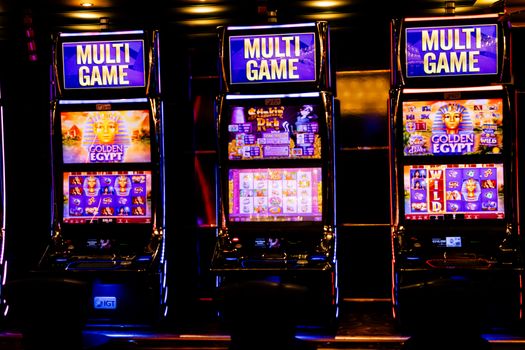
1. Upbeat Pop and Dance Tracks: These are popular in slot machine areas and busy gaming floors. The lively rhythms and catchy tunes keep energy levels high and spirits upbeat, motivating players to keep engaging with the games. 2. Jazz and Lounge Music: High-end casinos often opt for sophisticated jazz, swing, or lounge music. This genre evokes luxury and exclusivity, appealing to VIP guests and high-rollers. The soft, mellow sounds promote relaxation and a sense of prestige. 3. Themed Soundtracks: Some casinos create immersive environments with themed music, such as 1920s jazz for a speakeasy vibe or Latin beats for a tropical escape. These soundscapes enhance the overall thematic experience and make visits memorable. 4. Live Performances: Many casinos integrate live bands and musicians, providing an extra layer of excitement and interaction. Live music can attract crowds, encourage longer stays, and create a festive atmosphere. 5. Slot Machine Music: Slot machines themselves are programmed with a variety of sound effects and jingles. According to the Canadian Gaming Association, over 85% of players say auditory feedback from slots is a key part of the experience. These sounds are carefully engineered to reward wins and entice continued play.Music’s Influence on Player Behavior and Spending
The impact of music on player behavior goes far beyond setting a pleasant background ambiance. Casinos invest heavily in understanding how sound can influence key performance metrics, such as time-on-device, bet size, and overall revenue.
A notable experiment by Griffiths and Parke (2005) demonstrated that players exposed to music with a faster tempo placed 12% more bets per hour compared to those listening to slower music or no music at all. Additionally, a 2018 survey conducted across 15 Las Vegas casinos revealed that areas with carefully curated playlists saw a 9% increase in average visitor dwell time.
The following table highlights the effect of different music types on player behavior, based on industry research and real-world observations:
| Music Type | Player Mood | Average Time Spent | Betting Speed |
|---|---|---|---|
| Upbeat Pop/Dance | Energetic, Excited | +15% compared to baseline | Faster (up to 22% increase) |
| Jazz/Lounge | Relaxed, Sophisticated | +10% compared to baseline | Moderate |
| Themed/Immersive | Engaged, Immersed | +18% compared to baseline | Variable |
| Silence | Neutral, Unengaged | Baseline | Slower |
These findings underline how strategic music choices can directly impact a casino’s bottom line. By fostering a positive mood and encouraging a state of “flow,” casinos can maximize both player satisfaction and profitability.
The Evolution of Casino Music: From Live Bands to Digital Playlists
Casino music has evolved significantly over the decades. In the early days of Las Vegas, live bands and glamorous singers were the main attractions, drawing crowds with performances from legends like Frank Sinatra and Elvis Presley. Music was a central part of the entertainment, both on the gaming floor and in the attached showrooms.
With the advent of new technology, live music gave way to recorded soundtracks and digital playlists. Today, most casinos rely on sophisticated sound systems capable of delivering curated music to different zones within the property. Some even use AI-driven algorithms to adjust music in real time, responding to crowd size, time of day, and the energy level in the room.
Online casinos have also embraced the importance of sound. Developers now create immersive audio environments for digital slots and table games, using music and sound effects to replicate the excitement of a physical casino. According to Statista, the global online gambling market generated over $92 billion in revenue in 2023, with music and sound design playing a critical role in attracting and retaining players.
The Science of Soundscapes: Crafting the Perfect Casino Ambience
Creating the ideal casino soundscape is a complex process involving psychology, acoustics, and brand strategy. Many casinos work with professional sound designers and consultants to develop a unique audio identity.
Key considerations include:
- $1 Different areas of the casino may require distinct musical atmospheres. For example, the poker room might feature soft jazz to promote concentration, while the main floor pulses with energetic pop hits. - $1 Sound levels must be carefully balanced. Too loud, and players become agitated or fatigued; too soft, and the music loses its effect. - $1 Music is often played on seamless loops that avoid jarring breaks or repetitive patterns, maintaining a consistent atmosphere. - $1 Casinos in diverse regions tailor their playlists to local tastes. For example, casinos in Macau often blend international pop with traditional Chinese melodies. - $1 The choice of music reinforces the casino’s brand identity, whether that’s luxurious, playful, adventurous, or exclusive.An example of soundscape science at work is the Bellagio in Las Vegas, which employs a team of audio engineers to synchronize music with the famous fountain shows and gaming floor ambiance, creating a multi-sensory experience that has become iconic.
Challenges and Ethical Considerations
While music undeniably enhances the casino experience, it also raises important ethical questions. Critics argue that manipulating player emotions and behaviors through music could encourage excessive gambling or reduce self-control. A 2021 report by the UK Gambling Commission emphasized the need for transparency and responsible gaming practices in all aspects of casino operations, including environmental design.
Casinos are beginning to address these concerns by implementing responsible gaming measures, such as:
- Offering “quiet zones” where players can take a break from the sensory overload. - Using music to signal game pauses or encourage breaks. - Training staff to recognize signs of problem gambling and intervene if necessary.Ultimately, the goal is to use music as a tool for entertainment and enjoyment, not exploitation.
Conclusion
Music is far more than just background noise in the casino world—it’s a strategic asset that shapes emotions, behavior, and brand identity. Through carefully tailored soundscapes, casinos create immersive environments that keep players engaged, entertained, and coming back for more. From the psychology of tempo to the evolution of digital playlists, the role of music in enhancing casino experiences is a fascinating blend of art and science.
As the industry continues to evolve, both in physical venues and online platforms, the importance of music will only grow. Whether you’re a casual visitor or a seasoned high-roller, the next time you step onto a casino floor, take a moment to listen—because every note is there for a reason.