The Hidden Psychology of Casino Design: How Spaces Shape Player Behavior
Step into any casino around the world, and you’re immediately drawn into a world of lights, sounds, and vibrant energy. But beneath the surface glitz, every detail is meticulously engineered to influence your behavior, encourage longer stays, and subtly shape your decisions. This is the hidden psychology of casino design—a fascinating intersection of architecture, behavioral science, and human emotion. In this article, we’ll peel back the curtain to reveal how casinos use psychological cues to keep players engaged, the scientific principles behind these strategies, and what they mean for anyone stepping onto the gaming floor.
The Science Behind Casino Environments
Casinos are not just places to gamble; they are environments carefully crafted to manipulate perception and emotion. Decades of psychological research have informed the way these spaces are constructed. In fact, studies have shown that specific architectural and sensory choices can increase the average time a player spends in a casino by up to 30%.
One of the earliest pioneers in this field was Bill Friedman, who in the 1970s outlined a detailed approach to casino layout in his book “Designing Casinos to Dominate the Competition.” He advocated for maze-like layouts that would maximize time spent searching for exits or amenities, increasing the likelihood of spontaneous gambling.
.png)
Modern casinos, however, have evolved from these “gaming maze” concepts to more open, inviting spaces. This shift was championed by designer Roger Thomas with the redesign of Las Vegas’s Bellagio in 1998. The move toward luxury, spaciousness, and comfort was based on psychological research suggesting that relaxation and positive emotion lead to longer play and higher spending.
Researchers at the University of Nevada found that players in visually appealing, comfortable environments gambled on average 13% longer than those in utilitarian, less attractive settings. Clearly, the psychology of casino design is about much more than simply housing slot machines and tables—it’s about shaping how people feel and act.
Lighting, Sound, and Color: The Sensory Manipulation Toolkit
Step onto a casino floor and you’ll notice a symphony of sounds, a kaleidoscope of lights, and carefully chosen colors at every turn. These sensory elements are not random—they are powerful psychological tools.
- Lighting: Casinos use warm, indirect lighting to create a sense of time suspension. There are rarely windows or clocks, making it easy to lose track of hours spent inside. Studies have shown that lack of natural light can increase the time spent in a casino by up to 15%. - Sound: The constant jingle of slot machines, the buzz of conversation, and the occasional jackpot siren are all carefully calibrated. A 2011 study published in the Journal of Gambling Studies found that players exposed to winning sounds and music exhibited higher levels of excitement and were more likely to keep playing, even when losing. - Color: The color palette of a casino is never accidental. Reds and golds are common because they evoke excitement, luxury, and luck. A 2019 experiment in Macau showed that gamblers exposed to red environments took 25% more risks than those in blue- or green-themed spaces.By manipulating these sensory cues, casinos create an immersive environment that encourages risk-taking and prolonged play.
Floor Layouts: From Mazes to “Playgrounds”
The way a casino is laid out can significantly influence player behavior. Early casino design followed the “Friedman Maze” model, with winding paths and confusing layouts to disorient players and keep them circulating. But modern psychology has revealed that people are more likely to spend when they feel comfortable and in control.
Contemporary casino layouts, sometimes called “playground designs,” feature: - Wide, open sightlines allowing players to see multiple games at once - Clearly marked paths to amenities like bars, restaurants, and restrooms - Strategic placement of high-traffic games near entrances to draw people inHere’s a comparative overview of traditional maze layouts versus modern playground designs:
| Design Feature | Friedman Maze Layout | Modern Playground Layout |
|---|---|---|
| Navigation | Confusing, winding paths | Open, direct sightlines |
| Player Comfort | Low (claustrophobic, disorienting) | High (spacious, inviting) |
| Time Spent | Moderate (relies on disorientation) | High (relies on comfort and engagement) |
| Emotional Effect | Stress, urgency | Relaxation, enjoyment |
This evolution in design is rooted in psychological findings that positive emotions and a sense of agency make people more likely to stay, play, and spend.
Reward Systems and Near Misses: Engineering Excitement
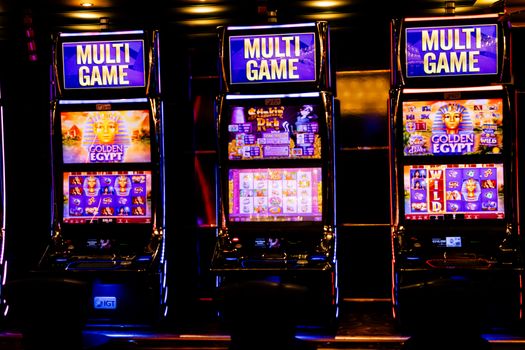
Casinos are experts at leveraging the psychology of rewards. Slot machines, for example, are programmed to deliver wins on a variable ratio schedule—meaning small, unpredictable wins are scattered among losses. This is the same psychological principle that makes social media “likes” and lottery tickets so addictive.
A key part of this strategy is the “near miss” effect. Researchers at the University of Cambridge found that slot machine players who experienced near misses (e.g., two jackpot symbols instead of three) had brain activity similar to those who actually won. The near miss triggers excitement and anticipation, motivating further play.
Casinos also use loyalty programs, free drinks, and comped meals to create a constant stream of small rewards. In 2022, Las Vegas casinos spent over $1.2 billion on player comps, knowing that these perks increase the time spent on the floor by an average of 18%.
The Role of Social Spaces and Privacy
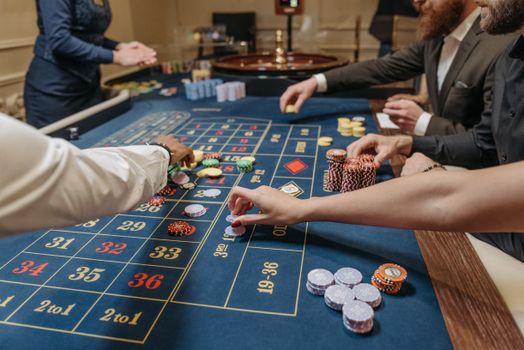
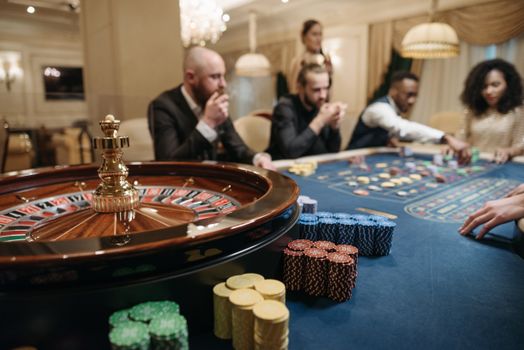
Modern casino design carefully balances the need for social interaction with the desire for privacy. Table games like craps and roulette are often placed in open, communal areas to encourage group excitement. Players’ cheers and reactions create a contagious energy that draws others in.
At the same time, slot machines and video poker areas are typically arranged in clusters, providing a semi-private cocoon for players who prefer solitary play. This caters to different personality types and gambling styles, increasing the casino’s appeal to a broader audience.
A 2021 survey by the American Gaming Association found that 47% of casino visitors preferred the social atmosphere of table games, while 39% valued the privacy of slots. The most successful casinos are those that design spaces to accommodate both preferences.
Subtle Cues: Scent, Temperature, and Comfort
Beyond the obvious sensory tricks, casinos use subtler psychological cues to shape behavior:
- Scent: Many casinos use scent marketing, infusing specific aromas into the air to evoke relaxation or excitement. A 2014 study at a Las Vegas casino found that introducing a pleasant scent increased slot machine revenue by 45%. - Temperature: Casinos are typically kept slightly cooler than normal to keep players alert and comfortable. Research shows that guests are more likely to stay longer in environments set between 68-72°F (20-22°C). - Seating and Comfort: Ergonomic chairs, plush carpets, and accessible amenities all contribute to a sense of luxury and well-being, making it easier for players to lose track of time.These details, though easily overlooked, are vital components of the psychological design toolkit.
Final Thoughts: Understanding the Power of Casino Design Psychology
The hidden psychology of casino design is a sophisticated blend of architecture, behavioral science, and sensory engineering. From lighting and layout to rewards and social spaces, every element is designed to influence how players feel and behave. While these strategies have helped turn casinos into multi-billion dollar enterprises—Las Vegas alone reported $8.2 billion in gaming revenue in 2023—it’s important for visitors to be aware of the forces at play.
Understanding these psychological cues doesn’t just demystify the casino experience; it empowers players to make more informed choices about their time and spending. Whether you’re a casual visitor or a seasoned gambler, recognizing the subtle ways in which space shapes behavior can help you enjoy the excitement of the casino floor—on your own terms.